650 Stewart Street, Renfrew, ON K7V 1Y6

EMERGENCY SERVICE? CALL 613-432-9739 OR 613-623-9223

|

Review Us On Google:

Radon Testing At Home

Radon is a naturally occurring radioactive gas that can enter a home from the ground beneath it. Because it has no colour, smell, or taste, it cannot be detected without testing.

That is what makes radon different from many other indoor air quality concerns. You will not know whether it is present at an elevated level unless the home is tested properly using an approved testing device. Health Canada identifies radon as an important indoor air quality issue and recommends long-term testing to understand the average level in a home over time.

Radon Consultation

Get a Free Radon Consultation

Contact us for a free consultation

Contact Us

Why Radon Testing Matters

Radon levels can vary widely from one home to another, even on the same street. The age of the home, the condition of the basement, or the quality of construction does not tell you whether radon is present at a concerning level.


Testing is the only way to know.


This matters because long-term radon exposure is associated with increased health risk. The Canadian Lung Association identifies radon as the second leading cause of lung cancer in Canada after smoking.

For homeowners who want more background, this CBC article gives added context on radon risk and concerns around some consumer devices:
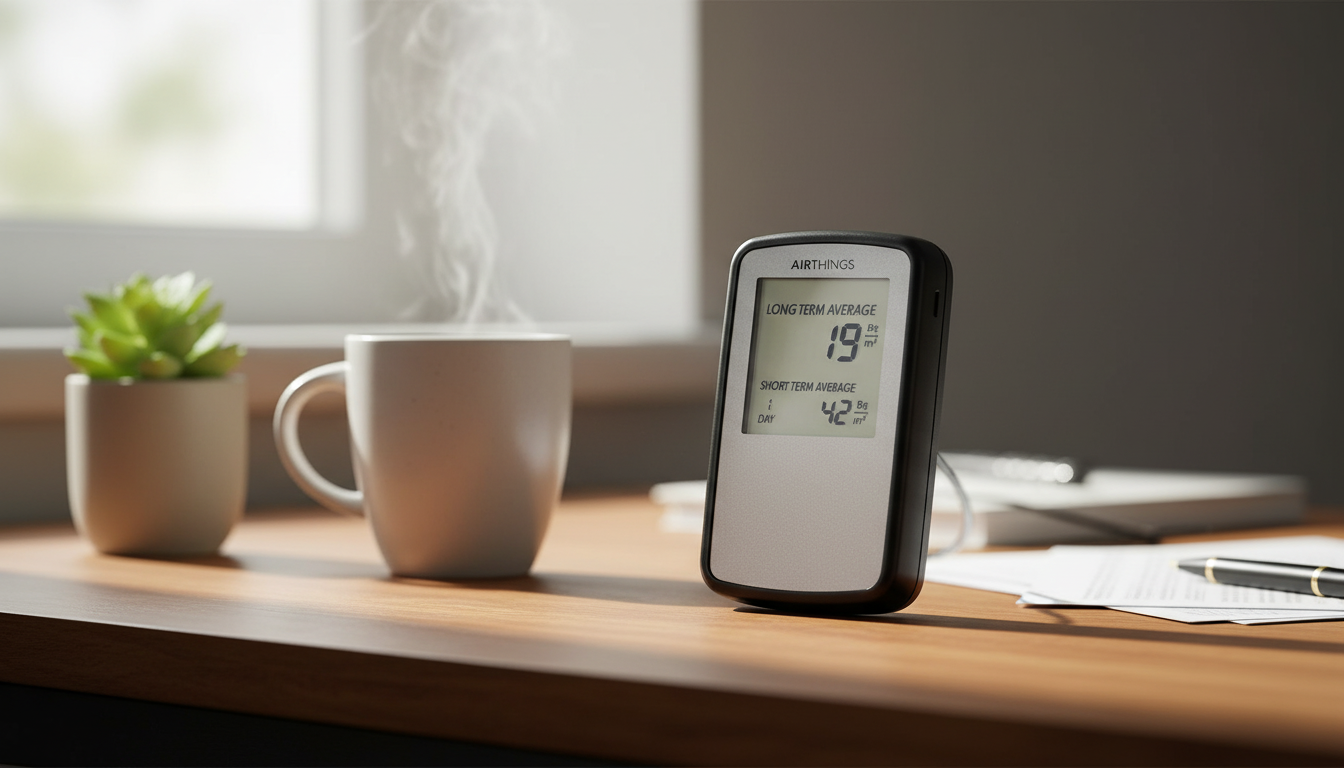
Radon test device on a table in a home

What “Radon Ready” Means

You may hear the term Radon Ready when discussing newer homes or building code requirements.

In general, Radon Ready refers to construction features that are intended to reduce radon entry or make future mitigation easier if testing later shows elevated levels. These features can be helpful, but they do not confirm that radon levels are low.

A Radon Ready home should still be tested.

In Ontario, newer building code requirements include radon rough-in provisions in certain new homes and additions. These are meant to make future radon mitigation easier if needed, not to replace testing.

Certified radon professional working in a home

How to Test Your Home for Radon

Most homeowners choose one of two options.

Use a Long-Term Radon Test Kit

A long-term test kit is often the simplest option for homeowners who are comfortable handling the process themselves. The device is placed in the home for the recommended testing period and then returned for laboratory analysis.

Homeowners looking for general Canadian testing options can start here. It’s important to use an approved device for testing.

One additional test device provider some homeowners may wish to review is AlphaTracker.

Long-term radon test kit for home use
Certified radon professional working in a home

Hire a Certified Radon Measurement Professional

 Some homeowners prefer to have testing managed by a qualified third party. In that case, a certified radon measurement professional may be the better fit.

Why Long-Term Testing Is Recommended

Radon levels are not constant. They can change from day to day and from season to season based on weather, ventilation, and how the home is operating. That is why long-term testing is recommended. A test lasting at least 91 days provides a more dependable picture of average exposure than a short-term reading.

Winter Is Usually the Best Time to Test

Where timing is flexible, winter is generally the ideal time to test for radon.

During colder months, homes tend to remain more closed up, which can make readings more representative of indoor exposure during the heating season. That said, testing can still be worthwhile at other times of year. A long-term test is more important than waiting for a perfect start date.
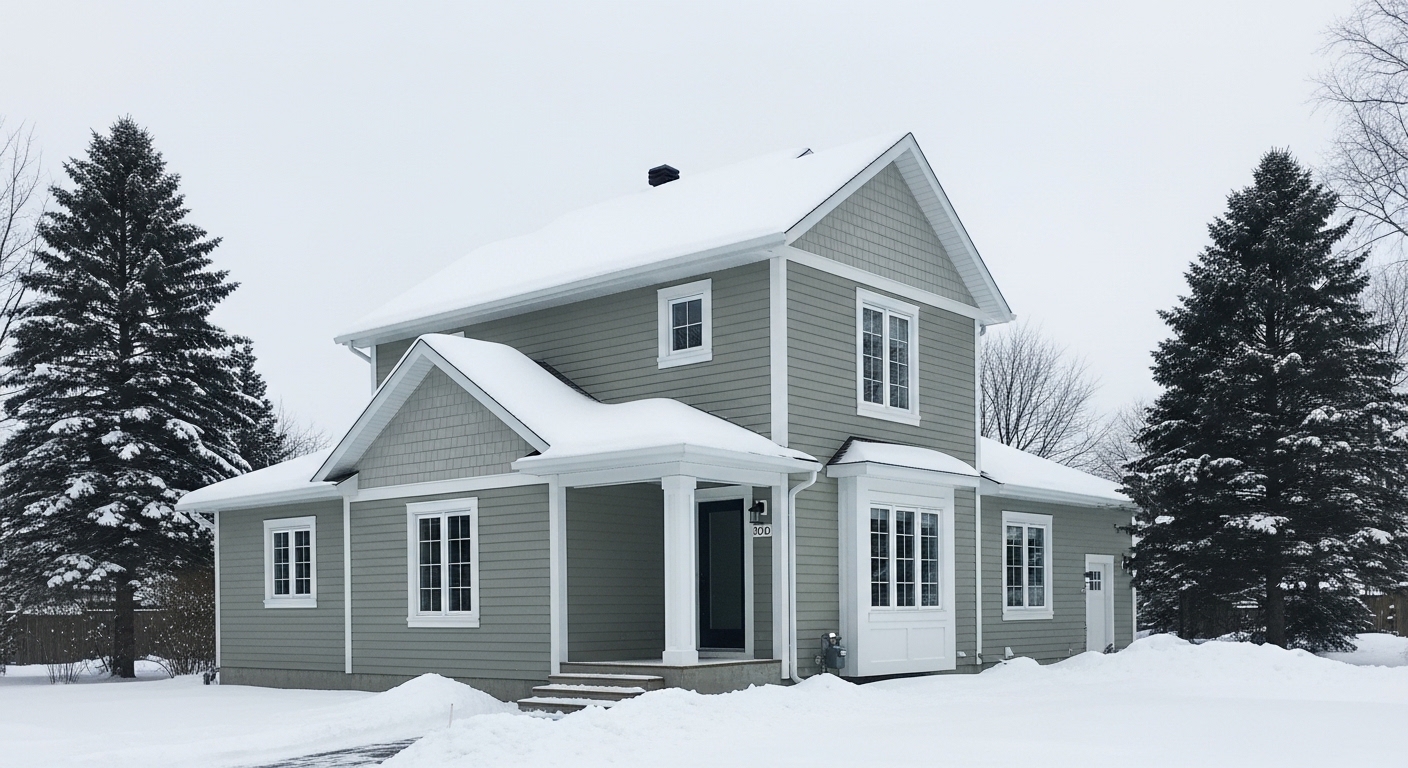
House in winter during radon testing season
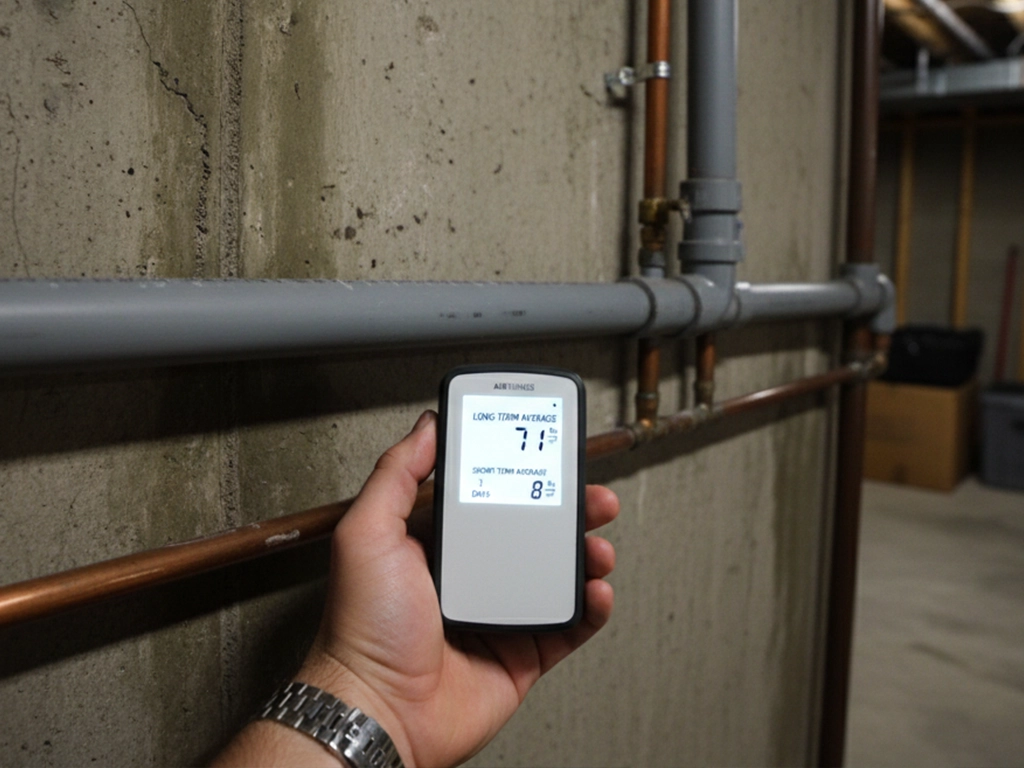
Electronic radon monitor in a basement

A Note on Electronic Radon Monitors

Electronic radon monitors are available to consumers, but they should be approached carefully.


Not all devices are evaluated to the same standard, and some have raised concerns in Canada in recent years. Before relying on an electronic monitor to make an important decision, it is worth reviewing current Canadian guidance and independent information on consumer-grade devices.


Helpful references:

Basic Radon Testing Tips

What to Do If the Result Is High

If testing shows an elevated radon level, the next step is to look at mitigation options.


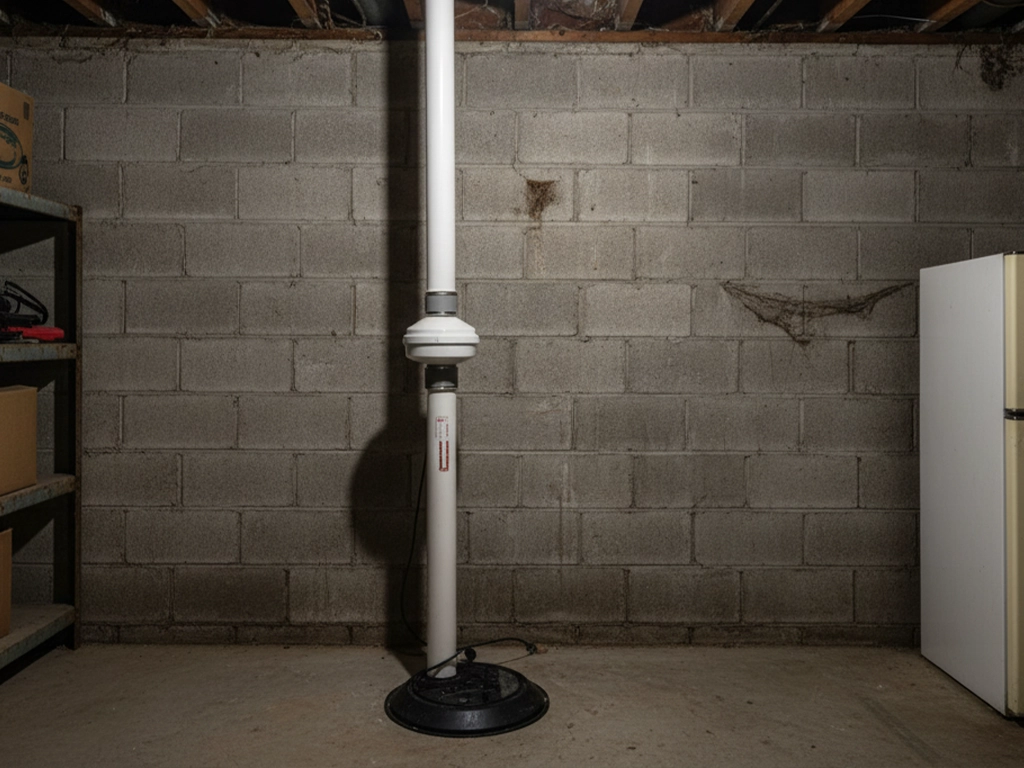
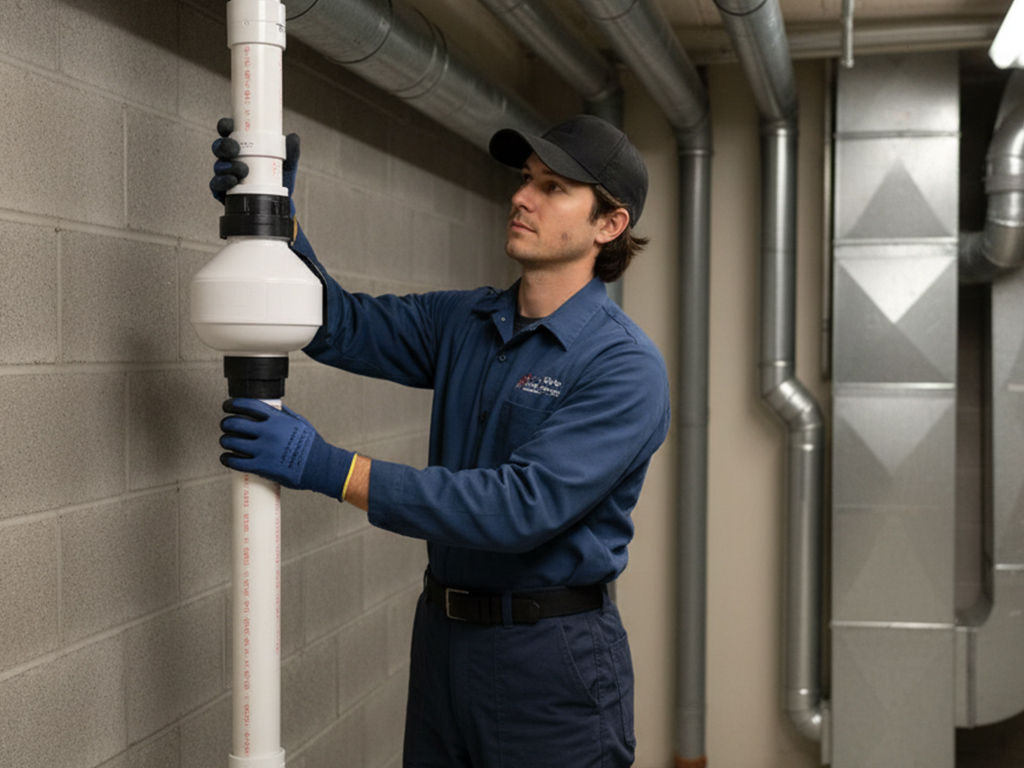
In most homes, this means installing a radon mitigation system designed to reduce radon by controlling how soil gases enter the home and venting them safely outdoors.


For homeowners who have already completed radon testing and are now reviewing mitigation options, McCrea’s provides radon mitigation services and can help explain what the next step may involve.

installed radon mitigation piping system in basement

Need Help After Testing?

If your home has already been tested and you are now looking into radon mitigation, McCrea’s can help review the situation and discuss possible next steps.

Contact us today
FOR A FREE SERVICE OR PRODUCT QUOTE

See why we’re the most trusted name in residential HVAC service in Renfrew and Arnprior, Ontario.  Emergency service available.

Vectors by Vecteezy.com