

Maintenance Plans: Keeping Your HVAC Equipment Running Efficiently, Longer
As the seasons shift and temperatures rise or drop, your HVAC system works tirelessly to keep your home comfortable. Like any hardworking machine, it needs regular care to operate at its best. This is where maintenance plans come in a proactive approach to ensuring your HVAC equipment stays efficient and reliable for years to come.
What Are Maintenance Plans?
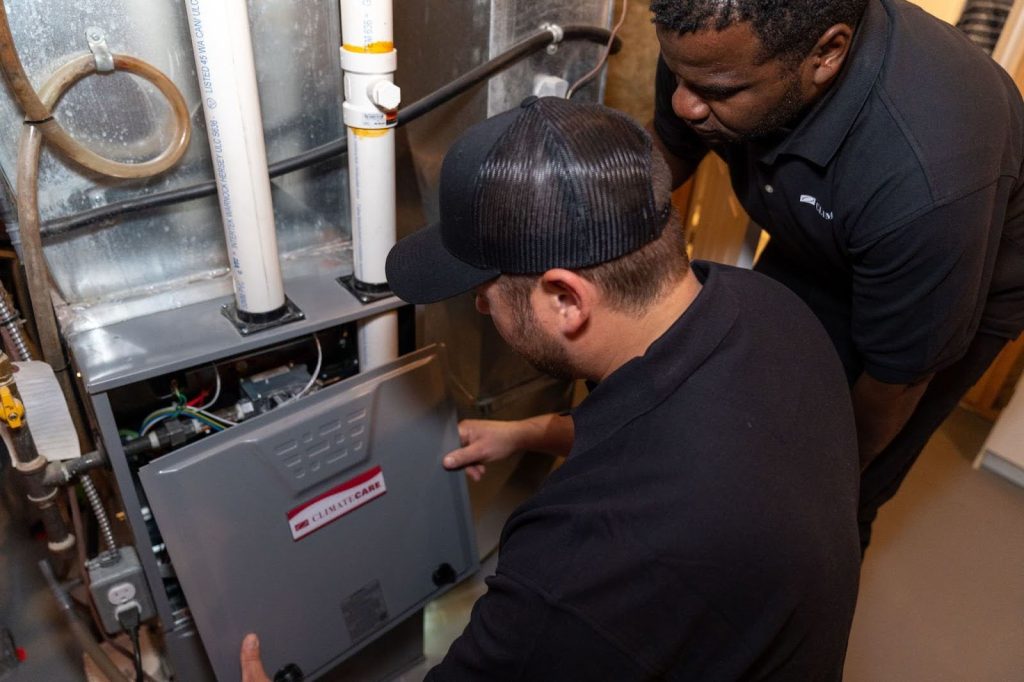
Maintenance plans are professional service agreements designed to keep HVAC systems, including furnaces, in optimal condition. These plans typically include routine inspections, cleaning, and performance assessments conducted by certified technicians. Furnace maintenance plans specifically focus on ensuring your heating system operates efficiently, safely, and reliably during colder months. By addressing minor issues before they escalate into costly repairs, maintenance plans offer homeowners peace of mind and long-term savings.
Signs Your HVAC Needs Attention
Even the most well-designed HVAC systems show signs of wear and tear over time. Here are key indicators that your system might benefit from a maintenance plan:
- Uneven Temperatures: If certain rooms are too hot or too cold, your HVAC system may not be distributing air efficiently.
- Increased Energy Bills: A sudden spike in your energy costs could indicate that your system is working harder than it should.
- Unusual Noises: Clanking, hissing, or squealing sounds might signal loose or malfunctioning components.
- Frequent Repairs: If your system needs constant attention, it’s a sign that preventive maintenance is overdue.
- Poor Air Quality: Dust, allergens, and humidity imbalances are telltale signs of an HVAC system struggling to perform.
Why Are Maintenance Plans Important?
Beyond preventing breakdowns, regular maintenance improves your HVAC system’s efficiency and lifespan. Dust and debris accumulation, loose connections, and wear on mechanical components can strain your system, leading to higher energy consumption and frequent malfunctions. What are effective HVAC maintenance plans? These typically include routine inspections, cleaning, lubrication, and performance assessments conducted by professional technicians. Such plans not only address visible issues but also help identify hidden problems, like refrigerant leaks or failing motors, that may not be apparent to the average homeowner. By tackling these concerns early, maintenance plans ensure your system operates efficiently and reliably.
How to Deal with HVAC Maintenance
Implementing a maintenance plan is straightforward:
- Choose a Reputable Service Provider: Look for certified HVAC companies with strong reviews and service guarantees.
- Understand What’s Included: Comprehensive plans typically cover bi-annual checkups, filter replacements, lubrication of moving parts, and system diagnostics.
- Stick to the Schedule: Consistency is key. Plan routine inspections during the spring and fall to prepare your system for the demands of extreme weather.
- Invest in Quality Parts: If repairs are needed, insist on high-quality components to avoid recurring issues.
- Monitor Between Appointments: Keep an eye on your HVAC’s performance and promptly report any unusual changes to your service provider.
The Long-Term Benefits
Investing in a maintenance plan not only saves money but also ensures the health and comfort of your household. A well-maintained HVAC system operates more quietly, delivers better air quality, and is less likely to fail during extreme weather. Plus, many manufacturers require proof of regular maintenance to uphold warranty coverage.
Final Thoughts
Your HVAC system is a vital part of your home, silently working behind the scenes to keep life comfortable. By enrolling in a maintenance plan, you’re giving your system the care it deserves while reducing the risk of unexpected breakdowns.
As with any home improvement, prevention is always better than cure — and when it comes to HVAC systems, a little maintenance goes a long way.


Comments
There are currently no comments on this post.